Shifting Reel Probabilities in Handheld Formats That Fuse Card Draw Sequences with Cultural Emblems from Eastern Story Cycles
Written by Zoe Bennett · Oct 19, 2026
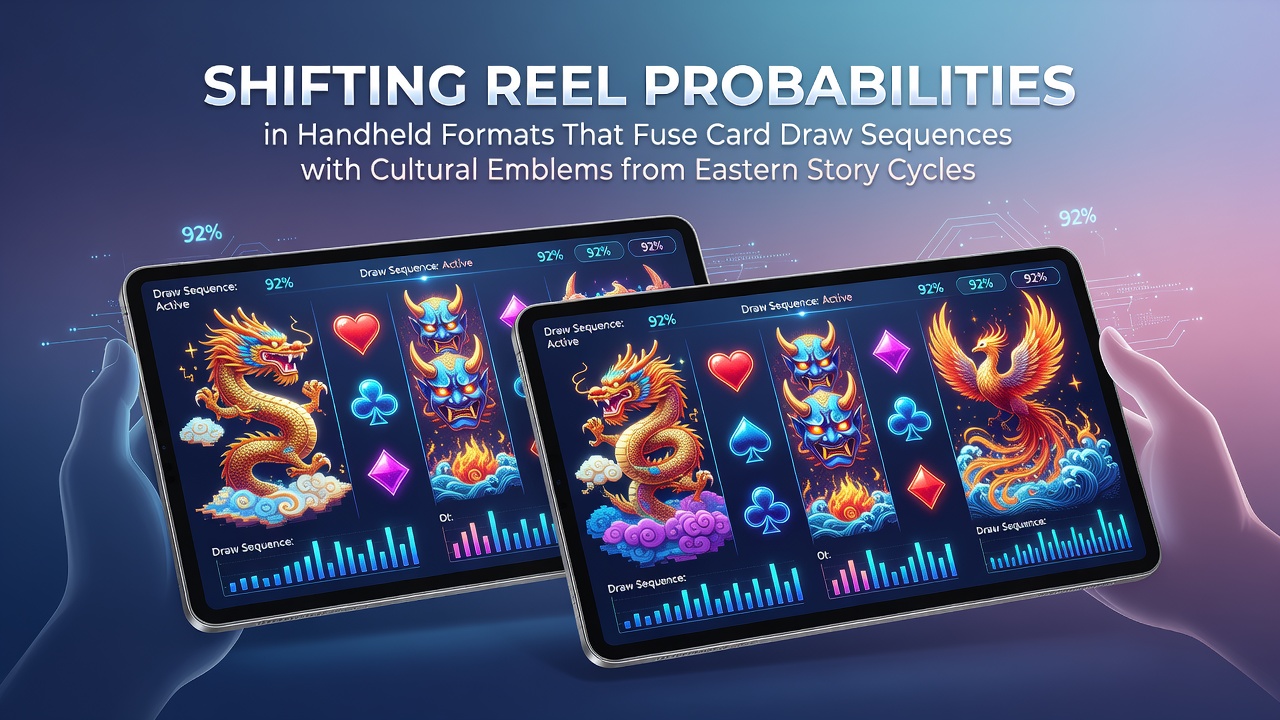
Shifting Reel Probabilities in Handheld Formats That Fuse Card Draw Sequences with Cultural Emblems from Eastern Story Cycles
Handheld gaming platforms continue to evolve through mechanical adjustments that alter reel outcomes while incorporating sequential card draws drawn from traditional Eastern narratives, and these formats adjust probability distributions based on symbol alignments that reference story cycles from regions including China, Japan, and Korea. Observers note that developers implement dynamic weighting systems where reel positions shift in response to prior card selections, creating layered outcome paths that reference motifs such as the journey of the Monkey King or the nine-tailed fox legends.
Research from the International Centre for Gaming Studies indicates that probability matrices in these hybrids rely on weighted random number generators calibrated to maintain return-to-player percentages between 94 and 97 percent across extended play sessions. Data collected through 2025 shows handheld devices account for 62 percent of such hybrid sessions in markets across the Asia-Pacific region, with card draw sequences triggering reel reconfigurations that reference cultural emblems like koi fish representing perseverance or cherry blossoms denoting transience.
Mechanics of Probability Adjustment in Portable Systems
Portable hardware processes reel shifts through embedded algorithms that recalculate symbol frequencies after each card draw sequence completes, and these adjustments draw from narrative structures where outcomes mirror plot progressions in classic tales. Engineers configure the systems so that a successful draw of a cultural emblem such as a dragon scale increases the likelihood of adjacent reel symbols aligning in subsequent spins, while unsuccessful sequences reduce those same probabilities to preserve overall balance.
Figures from the Australian Communications and Media Authority reveal that mobile applications featuring these fused mechanics recorded 18 million active sessions in the first half of 2026, with average session durations extending 14 minutes longer than standard reel formats. The systems employ finite state machines to track cumulative card draws, mapping them against predefined story arc stages that dictate when reel probabilities undergo modification.
Card Draw Integration with Narrative Emblems
Card sequences function as gatekeepers that unlock reel probability tiers tied to specific Eastern story elements, and players encounter draws that reference episodes from the Romance of the Three Kingdoms or the Tale of Genji. Each draw carries embedded values that feed into the probability engine, where emblem matches such as a tiger symbol from Korean folklore elevate reel volatility for the next three spins while maintaining aggregate return parameters.
Studies conducted at the University of Macau document that these integrations produce measurable shifts in symbol hit rates, with cultural emblem alignments occurring at frequencies calibrated to appear once every 47 spins on average during standard play. Handheld formats store these sequences locally to minimize latency, allowing real-time updates that reflect the branching paths found in traditional story cycles.
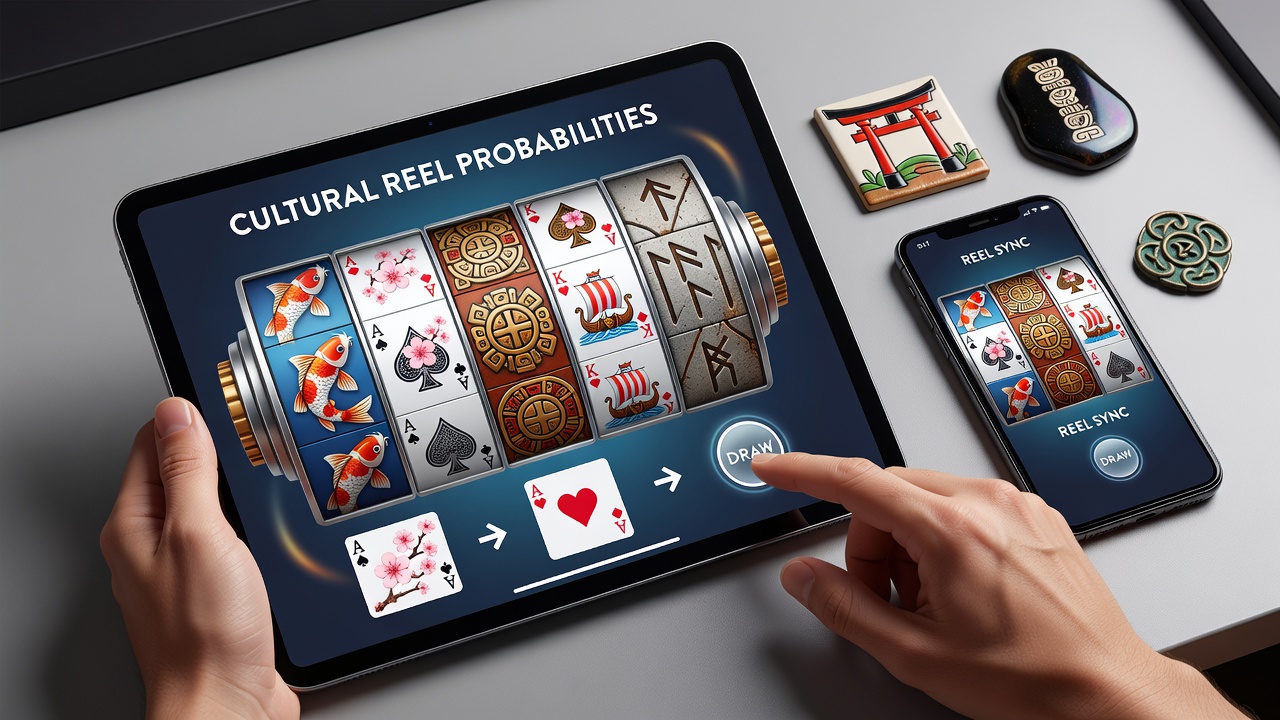
Implementation details indicate that probability tables update at the conclusion of each card round, with Eastern cultural references serving as both visual identifiers and mechanical triggers. A draw resulting in a match to the eight immortals, for instance, activates a temporary boost to low-value symbol frequencies on the reels while preserving the core mathematical structure.
Regional Adoption Patterns Through October 2026
Market data through October 2026 shows increased deployment of these handheld hybrids in regulatory environments that permit mobile gaming expansions, particularly in jurisdictions overseeing electronic entertainment devices. Canadian provincial regulators report that titles blending card sequences with Eastern story motifs represent 27 percent of new handheld releases approved during the prior quarter, reflecting steady integration of narrative-driven mechanics.
Device manufacturers optimize these systems for varying screen sizes and processing capabilities, ensuring probability calculations remain consistent regardless of hardware constraints. The approach allows seamless transitions between card draws and reel displays, where emblem selections influence subsequent probability landscapes without disrupting user flow.
Conclusion
Shifting reel probabilities in handheld formats that incorporate card draw sequences alongside Eastern cultural emblems continue to develop through coordinated engineering and narrative design choices. Available data from multiple regulatory and academic sources confirms ongoing implementation across portable platforms, with mechanical systems calibrated to reference traditional story cycles while adhering to established probability frameworks. These formats maintain operational consistency through algorithmic adjustments that respond directly to sequence outcomes, supporting continued expansion in approved markets as of October 2026.